
The Nature of Luck in Gambling
Luck is frequently viewed as a mystical force shaping the outcomes in gambling. Many players hold the belief that they can influence their luck through rituals or superstitions, such as wearing a specific lucky charm or performing certain gestures before making a bet. However, the reality is that luck in gambling is inherently random. In fact, players often explore various strategies, including those found on casinos sister sites , to enhance their experience or maximize potential wins. This randomness signifies that no strategy or charm can consistently sway the outcome, underscoring the difference between belief and reality.
Even seasoned gamblers occasionally succumb to the temptation of luck. They might attribute their wins to personal charm or a fortunate streak, while losses are often dismissed as mere bad luck. This subjective perception can give rise to misunderstandings about the nature of gambling itself. In reality, sustained success in gambling relies more on grasping the odds, strategic thinking, and effective bankroll management than on any mystical interpretation of luck. Recognizing this can help players cultivate a more rational approach to their gaming experiences.
The concept of luck also varies across cultures, with a myriad of symbols and beliefs surrounding it. While some cultures embrace luck as a guiding force, others place a greater emphasis on skill and strategy. This divergence can significantly influence how individuals approach gambling, potentially enhancing their enjoyment or leading to pitfalls. By understanding that luck is fundamentally random, players can adopt a healthier perspective that allows them to relish the game without falling into the trap of relying solely on the hope of good fortune.
The Role of Superstitions
Superstitions are prevalent in the gambling realm, influencing how players engage with games and interact with one another. From avoiding the number thirteen to performing specific actions while playing, many gamblers believe that these superstitions can tilt luck in their favor. While such beliefs may create a sense of ritual and personal investment in the game, they do not alter the underlying odds or probabilities of winning. Instead, they can lead to an exaggerated sense of one’s ability to influence outcomes, often clouding judgment.
For instance, a player might believe that sitting in a particular chair at a casino guarantees wins. While this personal anecdote can bolster a sense of control, the odds remain constant regardless of seating choices. Such superstitions can create a psychological feedback loop, providing comfort amid uncertainty but ultimately detracting from the understanding of gambling as a game of odds. This dynamic can lead players to make poorly informed decisions driven by misguided beliefs about controlling luck.

Moreover, these superstitions can sometimes encourage negative behaviors, especially in high-stakes situations. Gamblers may chase losses, convinced that a lucky streak is just around the corner, which can result in significant financial setbacks. Acknowledging that these beliefs do not influence the game can aid gamblers in maintaining a more rational mindset and crafting decisions based on strategy and risk management, rather than on superstitious thinking.
The Odds: Understanding the Game
Grasping the odds is vital for dismantling the myths surrounding luck in gambling. Each game features its unique set of probabilities that dictate the likelihood of winning or losing. For example, blackjack and poker require a combination of skill, strategy, and chance, while slot machines rely solely on chance. By educating themselves about the mathematical foundations of these games, players can make better-informed choices and set realistic expectations about their potential for winning.
Consider the game of roulette, which has a clearly defined set of odds. Players often perceive specific numbers or colors as “due” for a win based on previous spins, leading to the gambler’s fallacy. This belief fails to acknowledge that each spin is independent; past outcomes do not influence future results. Understanding this principle can help gamblers avoid common pitfalls, focusing instead on making decisions rooted in probabilities rather than misguided perceptions of luck.
Furthermore, recognizing the house edge—the casino’s statistical advantage over players—can profoundly influence a gambler’s approach. Knowledge of this concept allows players to choose games with better odds and implement strategies to minimize losses. Ultimately, a player well-versed in odds and probabilities is better equipped to navigate the gambling landscape, transforming their experience from one reliant on luck to a more strategic engagement with the game.
The Psychological Impact of Luck
The psychological dimension of gambling is significant, affecting how players perceive luck and its role within their gaming experience. Emotional reactions to wins and losses can lead individuals to develop a distorted understanding of luck. For instance, a substantial win may reinforce the belief that luck can be controlled, whereas consistent losses could evoke feelings of helplessness. This psychological cycle can lead to problematic gambling behaviors, where the eagerness to experience that ‘big win’ overshadows rational decision-making.
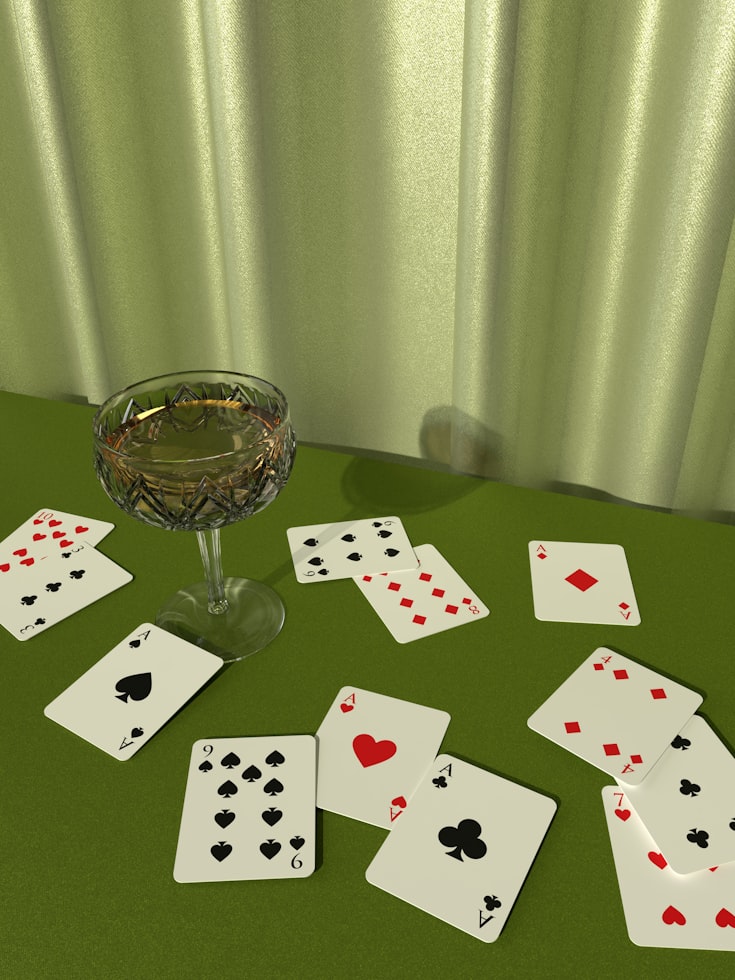
Additionally, the thrill accompanying gambling often arises from the unpredictability of outcomes, creating an adrenaline rush. This emotional high can entice players to chase the thrill of winning, blurring the lines between enjoyment and compulsion. By comprehending the psychological dynamics at play, gamblers can better manage their emotions and approach the game with a balanced perspective, minimizing the impact of luck while maximizing their enjoyment.
Moreover, recognizing one’s emotional responses to gambling can promote more responsible gaming practices. Players who identify how their feelings influence their decisions can implement strategies, such as setting budget limits and taking breaks, to maintain control. By focusing on the enjoyment of the game and emphasizing social interactions rather than the flawed concept of luck, individuals can foster a healthier relationship with gambling.
Insights for Responsible Gambling
At our website, we prioritize responsible gambling and strive to provide valuable insights into the world of gambling myths and realities. By debunking misconceptions about luck, we empower players to approach gambling with a clearer understanding of the odds and their underlying mechanics. Our resources are designed to encourage healthy gambling practices and foster a community built on informed decision-making, ensuring that participants can enjoy gaming without falling prey to misguided beliefs.
We firmly believe that knowledge is a crucial component of responsible gambling. By offering various articles, guides, and tools, we aim to educate players on the nature of luck, probabilities, and effective strategies. We promote a culture of informed gambling where individuals can relish the thrill of the game while recognizing the importance of self-awareness and responsible engagement, thereby enhancing their overall experience.
Whether you are a seasoned player or a newcomer to the gambling landscape, our website serves as a comprehensive resource for everything related to gambling. We encourage players to adopt a mindset focused on enjoyment, strategy, and personal accountability, ensuring that the experience remains fun and entertaining without succumbing to the traps of superstition and misconceptions about luck. By fostering an environment of education and responsible gaming, we contribute to a healthier gaming community.